Library

All Crafts
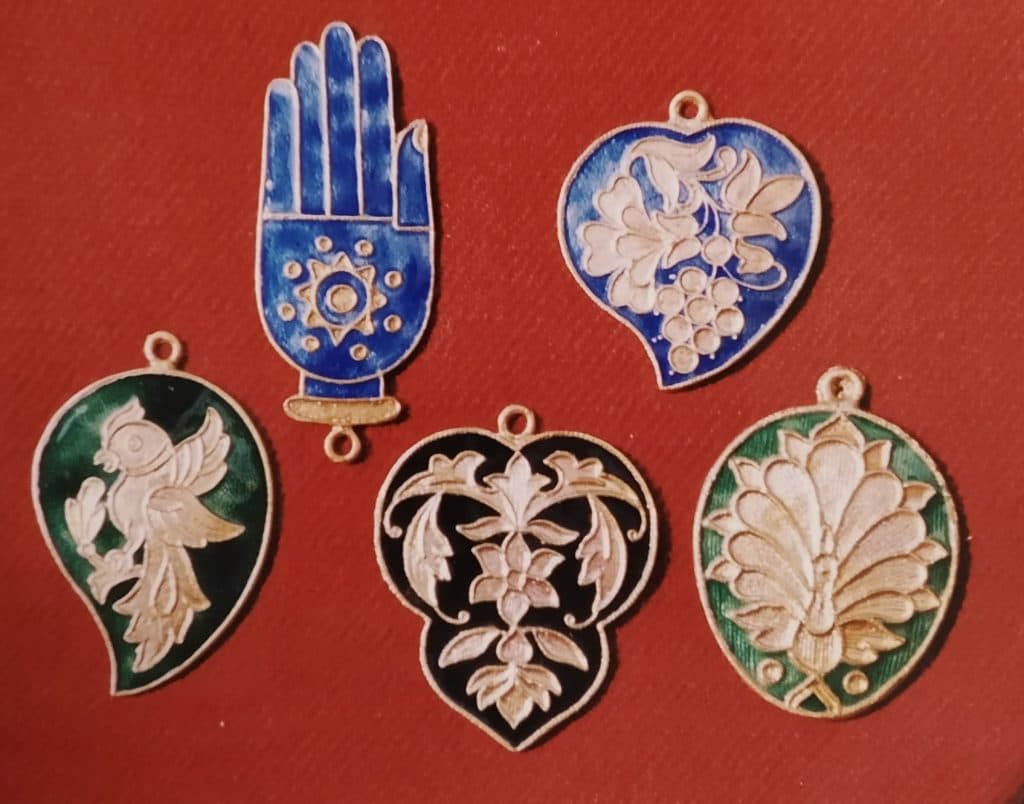
Meenakari – Enamel work
Madurai Sungudi
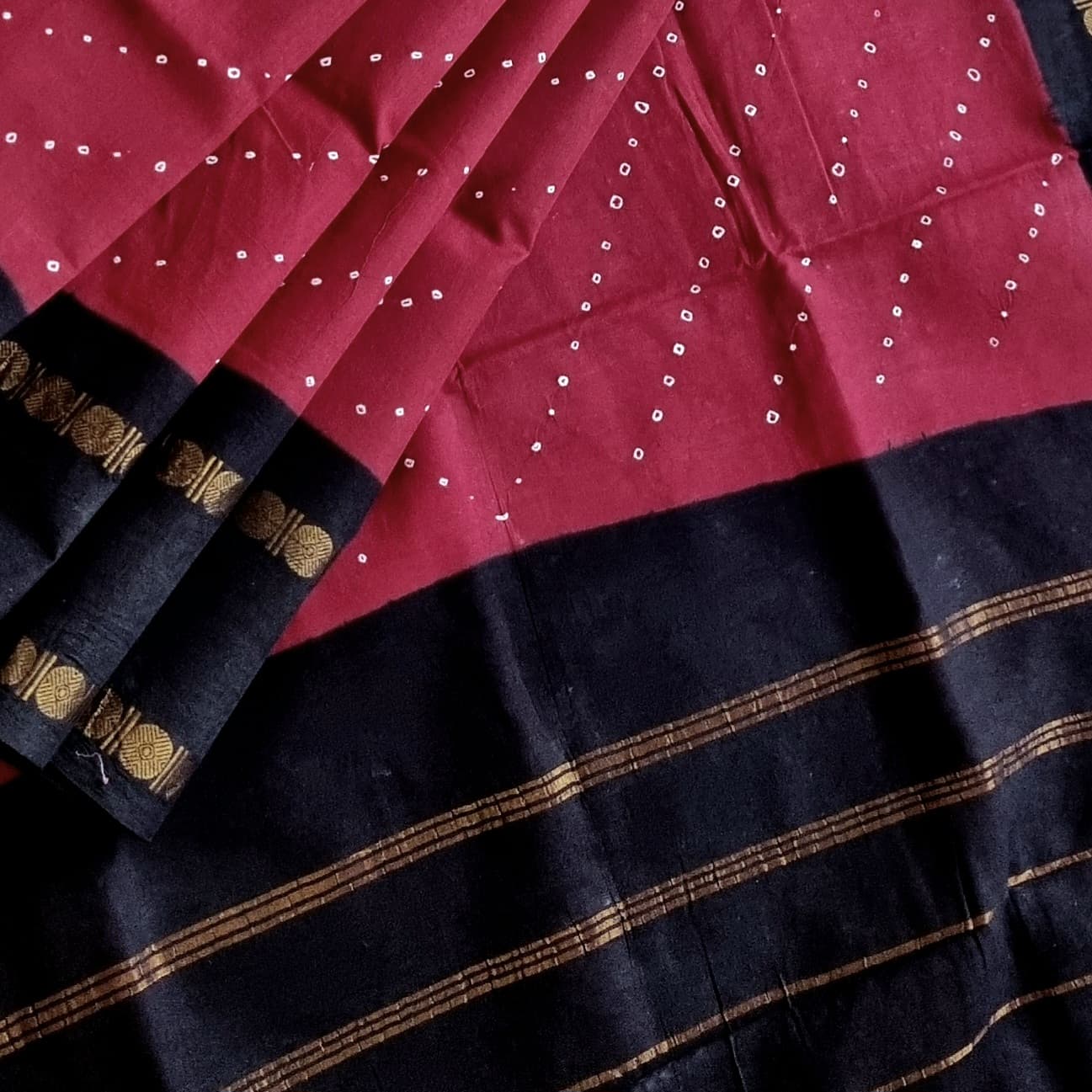
Madurai Sungudi, a delicate cotton tie-and-dye textile, was introduced by Saurashtrian weavers over 400 years ago. Each piece is created by hand-tying thousands of tiny knots and then dyeing the fabric with natural pigments. Characterized by dotted (putta) patterns, the fabric is lightweight, breathable, and vibrant—making it ideal for South Indian climates. Despite modernization, the traditional craft continues to hold cultural and aesthetic value.
Swamimalai Bronze Icons
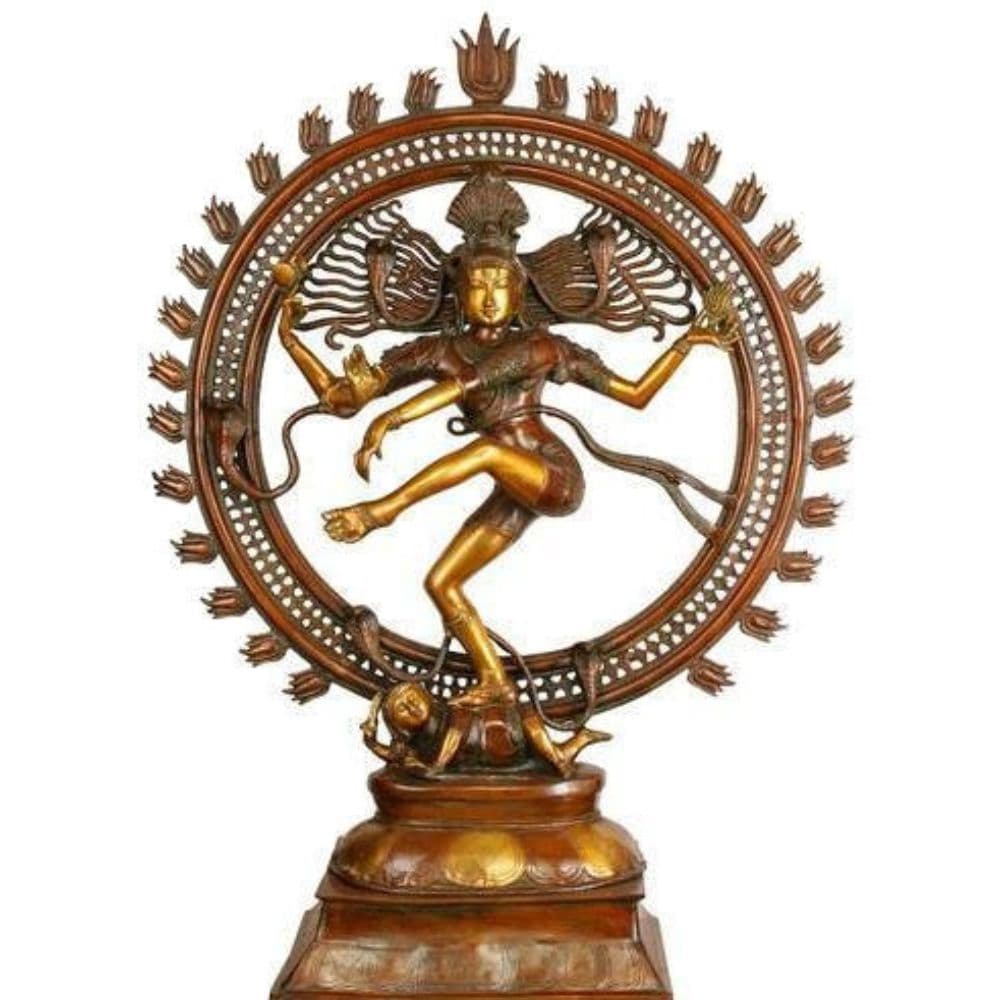
The bronze icons of Swamimalai, near Kumbakonam, are among India’s finest examples of lost-wax metal casting. Each sculpture, made from panchaloha (an alloy of five sacred metals), follows the ancient Shilpa Shastra proportions. From wax modeling to metal casting and polishing, every stage requires devotion and precision. These icons are prized by temples, collectors, and museums across the world.
Kanchipuram Silk Weaving
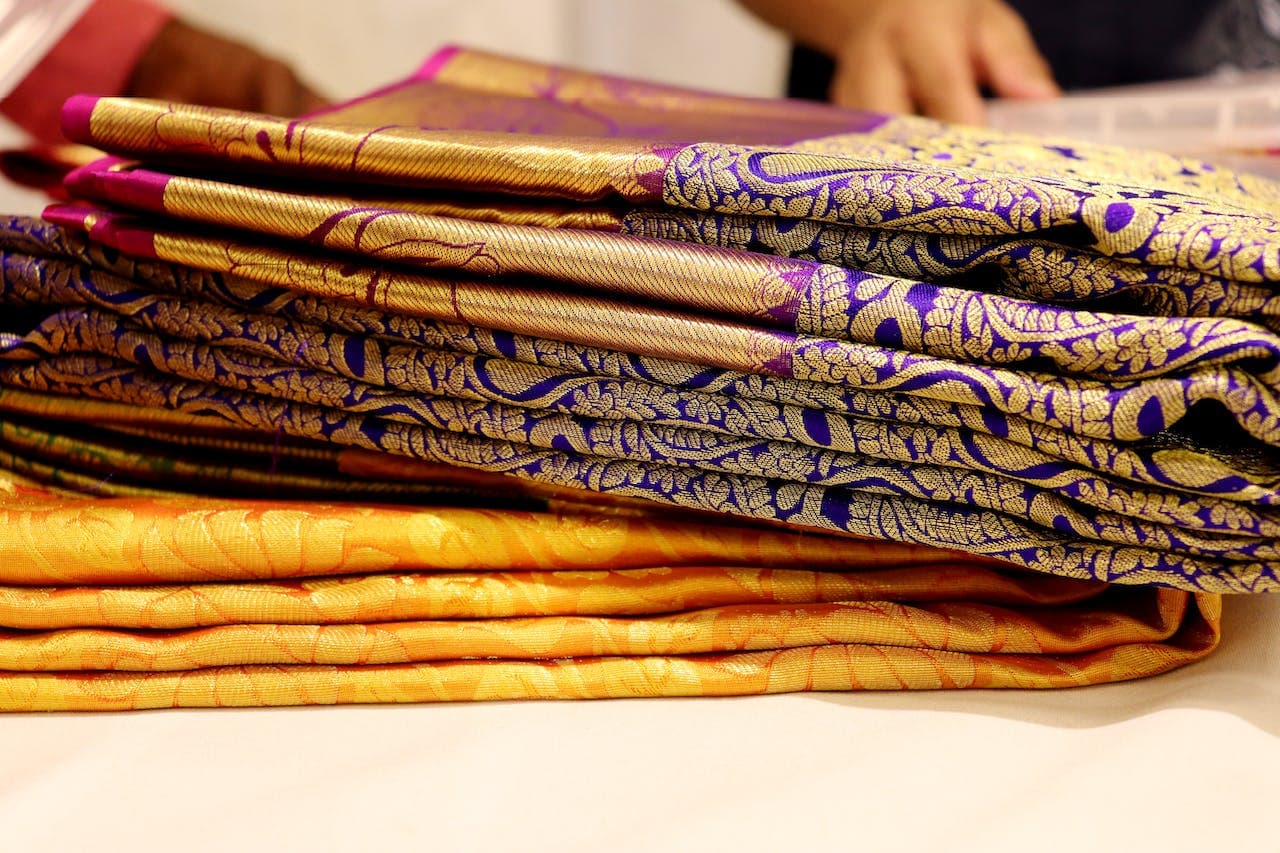
Kanchipuram, the “Silk City” of Tamil Nadu, is world-renowned for its handwoven silk sarees. Each saree uses pure mulberry silk and real zari threads, with bold color contrasts and temple-inspired borders. Known for their durability, sheen, and vibrant hues, Kanchipuram sarees symbolize South Indian heritage and grace. The weaving involves interlocking the body and border threads in a technique that ensures they never detach—a mark of true craftsmanship.
Thanjavur Painting
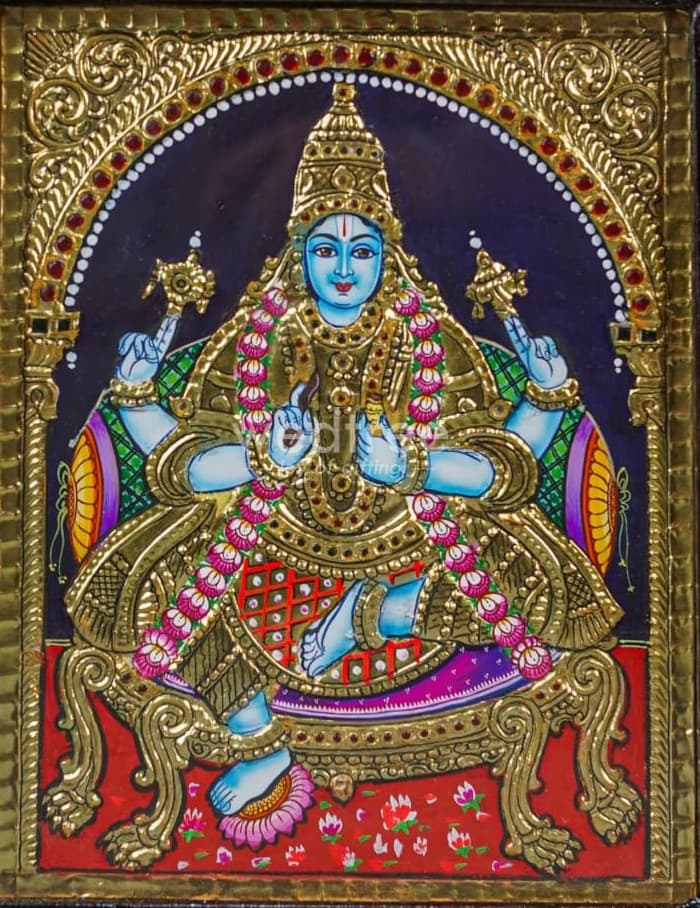
Originating from the temple town of Thanjavur, this painting style flourished under the Chola dynasty and later under the Nayakas and Marathas. Distinguished by its rich, vivid colors, surface richness, and compact composition, Thanjavur paintings often depict Hindu gods and goddesses. What makes them truly unique is the use of gold foil that gives the artwork a glowing, embossed look. The paintings are created on wooden planks (known as palagai padam) and embellished with semi-precious stones and glass beads, reflecting both opulence and devotion.
Bamboo Fish Trap
Jaipur Blue Pottery
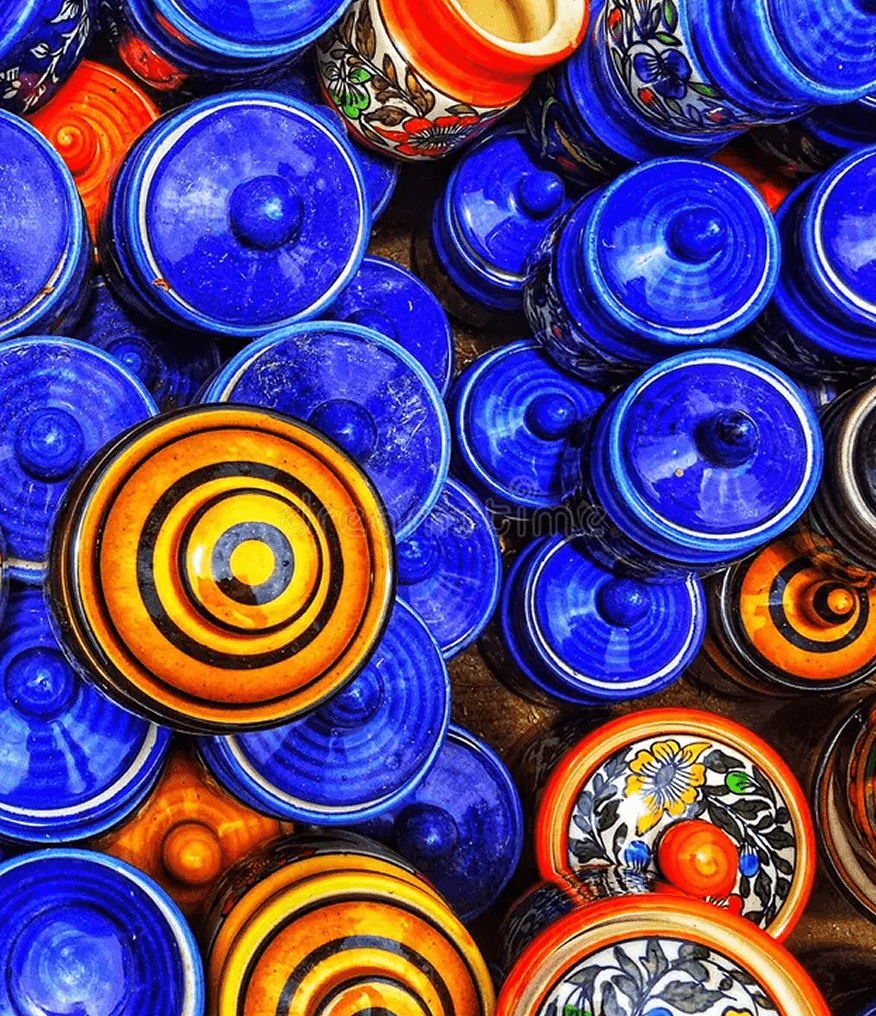
Jaipur’s blue pottery isn’t just another craft—it’s an alchemy of colors, materials, and centuries-old traditions that defy the norms of pottery itself. Unlike most ceramics made of clay, this craft is born from a fascinating mix of quartz, glass, Fuller's earth, and gum, creating a translucent, non-porous masterpiece that’s both delicate and surprisingly durable. The vibrant hues of cobalt blue and turquoise, often adorned with intricate floral and animal motifs, make each piece a visual delight.
